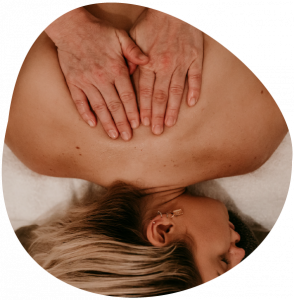
Decongestive Lymphatic Therapy (Lymphoedema + Lipoedema Management)
Decongestive Lymphatic Therapy is a gold standard treatment using a multimodality approach of compression, manual lymphatic drainage, skincare, exercise and modifications of active daily living to manage clients with and/or at risk of Lymphoedema.
Decongestive Lymphatic Therapy also helps to manage other related conditions such as lipoedema and oedemas associated with surgery, auto-immune, sinus etc. With the use of Decongestive Lymphatic Therapy it can enhance a clients overall quality of life and the ability to prevent and manage the progression of a range of lymphatic conditions.
Decongestive Lymphatic Therapy may help:
- Reduce and manage swelling and fluid build-up
- Improve lymphatic fluid movement
- Relieve feelings of heaviness, tightness and discomfort
- Improve tissue softness and mobility
- Support movement and physical function
- Manage fibrosis and changes in tissue texture
- Support recovery following surgery or cancer treatment
- Protect skin and tissue health
- Reduce the risk of lymphoedema-related complications
- Improve your understanding of how your lymphatic system works
- Provide practical strategies for self-management at home
- Build confidence and independence in managing your condition
- Support your long-term wellbeing and quality of life
Pre/Post Surgical Assessment and Education
Surgery is just one part of your healing journey. Preparing your body before surgery and receiving the right support afterwards can play an important role in your recovery, confidence and overall wellbeing.
Our Pre & Post-Surgical Assessment and Education appointments provide personalised guidance before and after your procedure, helping you understand what to expect, how to prepare, and how to support your recovery every step of the way.
We work collaboratively with your healthcare team to develop an individualised plan that may include education on swelling management, scar care, lymphatic health, movement, compression therapy, and strategies to optimise healing and reduce the risk of complications.
Our goal is to help you feel informed, supported and empowered throughout your recovery.
This service may include:
- Pre and post operative assessment and education
- Personalised recovery planning
- Lymphoedema risk assessment and prevention education
- Compression therapy education
- Scar management education
- Recovery timelines and expectations
- Movement and self-management advice
- Decongestive Lymphatic Therapy
- Scar Tissue Massage
Manual Lymphatic Drainage
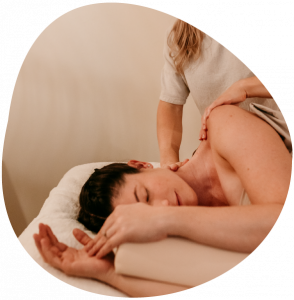
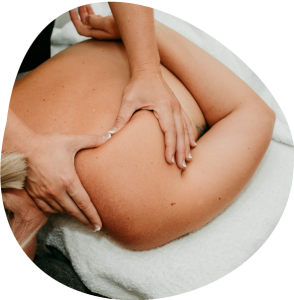
Manual Lymphatic Drainage is an advanced therapy that assists with the overall health and functioning of the lymphatic system. This therapy helps to encourage and stimulate the body’s natural process of the lymphatic system which plays an important role in our body’s immune response and overall fluid balance. By performing gentle rhythmic techniques with the correct stimulation of Lymph Nodes, Lymphatic Drainage encourages the healthy flow of lymphatic fluid to regulate tissue pressure, eliminate excess fluid and waste products to support optimum health.
Manual lymphatic drainage is beneficial for the overall health of the body as it also assists to activate our parasympathetic nervous system (rest and digest), relaxing the vessels and resulting in a calming effect for the entire body. The benefits of Manual Lymphatic Drainage include general wellbeing, improved lymphatic circulation, stimulates the functions of vital organs and assists to eliminate cellular waste, and stimulate the parasympathetic relaxation response.
Indications for Manual Lymphatic Drainage
- Lymphoedema
- Lipoedema
- Pre and post-surgery
- Oedema, swelling and puffiness
- Constipation and digestive disorders
- Arthritis and Rheumatism
- Sinusitis
- Chronic inflammation
- Pain relief
- Headaches and migraines