Breast Cancer Rehabilitation
Personalised support before and after breast cancer treatment.
Breast cancer treatment can bring significant physical and emotional changes. Surgery, radiation, lymph node removal and reconstruction can affect movement, sensation, lymphatic function, scar tissue and confidence in your body.
Breast cancer rehabilitation provides personalised, evidence-informed support throughout your treatment and recovery—helping you understand the changes in your body, prepare for treatment, manage potential complications and regain confidence in movement and everyday life.
At The Body Clinic Gladstone, your care is tailored to where you are in your journey. Whether you’re preparing for surgery, recovering from treatment or managing longer-term changes, we work alongside you and your broader healthcare team to provide practical education, hands-on treatment and strategies that support your individual goals.
How Can We Support You?
What is Axillary Web Syndrome?
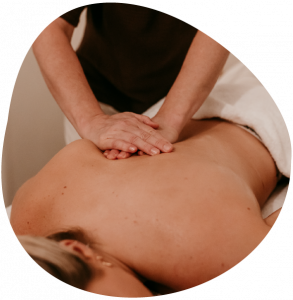
Axillary Web Syndrome (AWS), sometimes referred to as cording, can develop following lymph node surgery and may cause tightness or cord-like sensations extending from the armpit into the arm or chest. Assessment and appropriate rehabilitation can help improve movement, comfort and function.
Breast Reconstruction
Supporting your body through breast reconstruction
Breast reconstruction can involve significant changes to the tissues, scars, sensation and movement around the breast, chest and shoulder.
Our rehabilitation approach can include:
- Pre- and post-operative education
- Scar tissue assessment and management
- Support with swelling and lymphatic changes
- Movement and mobility
- Tissue health
- Education around recovery and self-management
- Collaboration with your surgical and healthcare team
Compression Therapy & Garment Fitting
Compression therapy
Compression can be an important part of lymphoedema management for some people.
We can provide education around compression and assist with assessment, selection and fitting of appropriate compression garments as part of your individual management plan.
Your care, your team
Breast cancer rehabilitation works best when care is connected.
Where appropriate, we work collaboratively with your GP, breast surgeon, oncologist, physiotherapist, exercise physiologist, lymphoedema practitioner and other members of your healthcare team. Communication between professionals helps ensure your rehabilitation is appropriate to your treatment, recovery and individual goals.